The Intersection of Biology and Botany: A Guide to Floral Anatomical Human Lungs Design Art
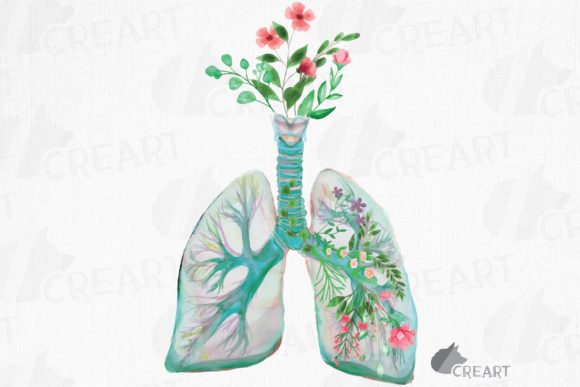
The convergence of medical science and natural beauty has given rise to a unique aesthetic movement within the creative industries. At the forefront of this trend is Floral Anatomical Human Lungs Design Art, a visual concept that replaces the bronchial tubes and alveoli of the human respiratory system with intricate arrangements of leaves, vines, and blossoms. This fusion does more than create a striking image; it serves as a powerful metaphor for the breath of life, connecting the mechanical function of the body with the organic growth of the natural world. For designers, educators, medical professionals, and hobbyists, understanding the versatility and technical specifications of these assets is essential for leveraging them effectively across various media.
The Symbolism and Aesthetic Appeal
The primary allure of floral anatomical lungs decor design lies in its dual symbolism. On one hand, the human lung represents vitality, respiration, and the critical nature of health. On the other, flora represents growth, renewal, and the earth. When combined, the imagery suggests that breathing is not merely a biological necessity but a connection to nature itself. This makes the design particularly poignant for contexts involving wellness, mental health awareness, and environmental advocacy.
From an artistic perspective, the contrast between the structured, symmetrical nature of human anatomy and the free-flowing, chaotic beauty of flowers creates a visually arresting composition. Whether rendered in realistic watercolor styles or bold, graphic vector lines, these designs capture attention. The use of floral human lungs gift art has become increasingly popular because it transcends the sterile environment often associated with medical imagery, making anatomy approachable and beautiful for a general audience.
Technical Versatility and File Formats
For creators looking to integrate these designs into their workflows, the technical quality of the source files is paramount. High-quality digital assets typically come in a comprehensive package to ensure compatibility with a wide range of software and hardware. A standard professional package for Floral Anatomical Human Lungs Design Art usually includes multiple file formats, each serving a specific purpose in the production pipeline.
- PNG (Portable Network Graphics): This is often the most utilized format for digital applications. A high-resolution PNG with a transparent, invisible background allows designers to place the individual clip art on any color or background without unsightly white boxes or edges. This is crucial for web design, social media graphics, and overlaying images on photographs.
- SVG (Scalable Vector Graphics): Essential for modern web development and cutting machines, SVG files allow the image to be resized infinitely without any loss of quality. This ensures that the delicate details of the floral elements remain crisp whether displayed on a mobile screen or a large billboard.
- AI and EPS Files: These vector formats are the industry standard for professional graphic design. An AI file (Adobe Illustrator) with layered elements gives the creator full control to modify colors, separate specific flowers from the lung structure, or adjust line weights. Similarly, an EPS file ensures compatibility with Corel Draw and other vector-based programs, facilitating professional print production.
- PSD (Photoshop Document): A layered Photoshop file is invaluable for artists who prefer raster-based editing. It allows for complex texturing, shading adjustments, and the integration of the lungs into photorealistic compositions.
- DXF Files: Specifically designed for CAD software and CNC cutting machines, DXF files enable crafters to use the design for vinyl cutting, laser engraving, and embroidery digitizing.
- JPG and PDF: These formats provide universal accessibility. JPGs are ready for immediate viewing or quick uploads, while PDFs are ideal for document insertion and high-fidelity printing.
It is important to note that in professional-grade purchases, no logos or paper textures should appear on the final items. The files should be clean, ensuring that the end product looks polished and proprietary to the user.
Applications in the Medical and Educational Sectors
Beyond aesthetics, floral anatomical lungs decor design holds significant value in educational and medical settings. Traditional anatomy charts can be intimidating or overly clinical for students and patients. Introducing botanical elements can soften the presentation, making the subject matter more engaging for biology students or pediatric patients.
Educators can utilize these graphics in presentations, worksheets, and classroom decorations to teach the respiratory system in a way that sparks curiosity. Furthermore, these designs serve as excellent pulmonologist med gift png assets. Medical professionals, including doctors, nurses, and respiratory therapists, often appreciate gifts that acknowledge their specialization without being morbid. A mug, tumbler, or tote bag featuring floral lungs acts as a subtle badge of honor, celebrating their role in helping others breathe.
Commercial Use and Product Customization
The commercial potential of Floral Anatomical Human Lungs Design Art is vast, catering to the booming market of print-on-demand and handmade goods. Because the vector objects can be resized without quality loss and colors can be changed, creators can adapt a single design to fit countless product niches.
Apparel and Accessories
One of the most common applications is in the fashion industry. Using sublimation techniques or heat transfer vinyl (HTV), designers can apply these graphics to t-shirts, hoodies, and leggings. The transparency of the PNG files ensures that the design blends seamlessly with fabric colors. Additionally, waterslide transfers allow for the application of these intricate details onto hard surfaces like tumblers, mugs, and phone cases, creating durable and dishwasher-safe products.
Event Decor and Stationery
The elegance of floral anatomy makes it suitable for sophisticated event planning. Wedding decor, particularly for couples where one or both partners work in the medical field, often incorporates this theme. Invitations, save-the-dates, and thank-you cards featuring medical printable anatomy decor graphic elements offer a unique twist on traditional floral motifs. Stickers and scrapbooking projects also benefit from these designs, allowing hobbyists to create personalized journals or planners that reflect an interest in science and nature.
Digital and Web Design
In the digital realm, these assets are perfect for branding wellness clinics, yoga studios, or holistic health blogs. The SVG and PNG formats allow for responsive web design, ensuring that the logo or hero image looks sharp on all devices. Social media managers can use these graphics to create engaging posts for World Asthma Day or Earth Day, bridging the gap between health awareness and environmental consciousness.
Workflow Integration for Creators
Integrating Floral Anatomical Human Lungs Design Art into a creative workflow requires an understanding of the specific strengths of each file type. For a crafter using a Cricut or Silhouette machine, the SVG or DXF file is the starting point. These files allow the machine to recognize cut lines precisely, enabling the creation of intricate stickers or iron-on decals.
For a graphic designer working on a marketing campaign, the AI or PSD file offers the necessary flexibility. They might isolate the left lung to pair with a specific quote or change the color palette of the flowers to match a client's brand identity. The ability to manipulate layers is critical here; a flat JPG would limit these possibilities. Meanwhile, a content creator needing a quick thumbnail for a YouTube video about lung health would likely reach for the high-resolution PNG, dragging and dropping it directly into their editing software.
Considerations for Quality and Usage
When selecting assets for floral human lungs gift art or commercial projects, resolution is a key factor. "High-resolution" generally implies a DPI (dots per inch) of 300 or higher for print purposes. This ensures that when the image is printed on a large poster or a canvas, the edges of the leaves and the contours of the lungs remain smooth rather than pixelated. For web use, while lower resolutions are acceptable for speed, having the original high-res source allows for future scaling if the design moves from a website banner to a printed brochure.
Color customization is another vital feature. While a design may come in a default palette of greens and pinks, the vector nature of SVG, AI, and EPS files means these colors are not baked in as pixels but defined as code. This allows a creator to instantly shift the theme from a spring-like freshness to an autumnal warmth or a monochromatic medical blue, adapting the art to seasonal trends or specific campaign needs.
The Broader Impact of Anatomical Art
The popularity of Floral Anatomical Human Lungs Design Art reflects a broader cultural shift towards humanizing science. It demystifies the internal workings of the body, presenting them not as cold machinery but as gardens of life. This perspective is valuable for researchers and communicators who strive to make complex biological concepts relatable to the public.
Moreover, the versatility of these files supports a circular economy of creativity. A single purchase can fuel a small business owner's inventory for months, providing designs for clothing, home decor, and promotional materials. It empowers educators to create better learning tools and allows individuals to express their personal connection to health and nature through custom apparel and accessories.
In conclusion, the utility of floral anatomical lungs decor design extends far beyond a simple pretty picture. It is a functional, adaptable, and deeply symbolic resource. Whether used to create a heartfelt gift for a pulmonologist, design a wedding invitation, produce a line of sublimated tumblers, or educate the next generation of biologists, these assets bridge the gap between the clinical and the creative. By leveraging the full suite of available file formats—from the scalability of vectors to the transparency of PNGs—creators can unlock endless possibilities, ensuring that the message of breath and life is communicated with clarity, beauty, and impact.