Elevate Your Spring Projects with Butterfly and Floral Square Wreath Decor
There is a distinct charm to Butterfly and Floral Square Wreath Decor that instantly signals the arrival of spring. Whether you are designing wedding invitations, creating custom apparel for a small business, or simply adding a touch of nature to your home office wall art, these watercolor elements offer a versatile foundation for creativity. The combination of soft green laurel leaves, delicate watercolor flowers, and fluttering butterflies creates an aesthetic that feels both organic and polished. However, diving into digital design assets requires more than just downloading the first image you find. To truly maximize the potential of these graphics, one must understand the technical nuances of file formats, resolution, and licensing to avoid common pitfalls that can compromise the final product.
Understanding the Versatility of Watercolor Elements
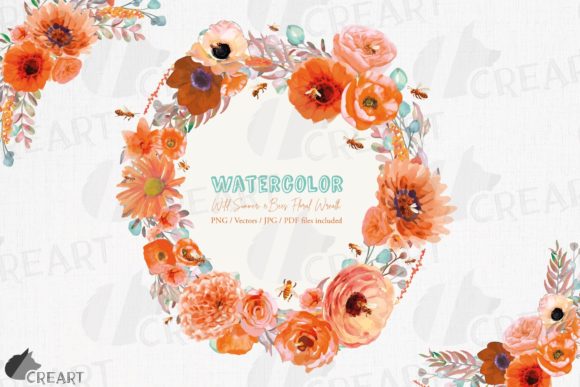
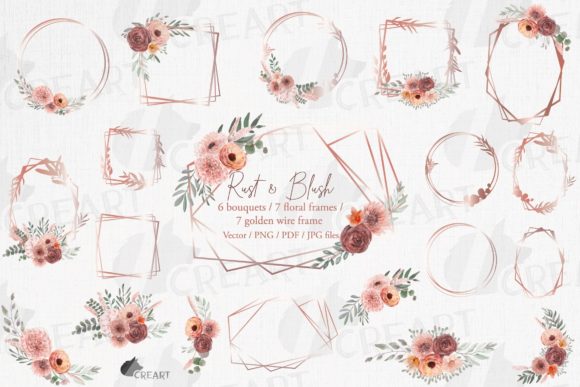
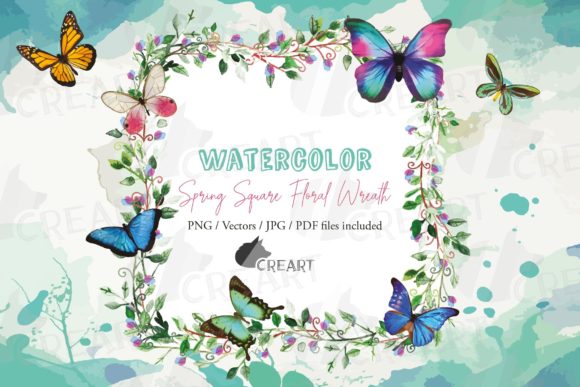
The primary appeal of this specific decor pack lies in its adaptability. Unlike rigid geometric patterns, watercolor butterfly and floral square wreath spring decor mimics the fluidity of hand-painted art. This makes it ideal for a wide array of applications, from sublimation on tumblers and mugs to intricate scrapbooking layouts. The inclusion of green leaves laurel wreath and butterflies provides a natural frame that draws the eye inward, perfect for highlighting text on party invitations or branding logos.
Creators often overlook the importance of the background options provided in high-quality packs. A superior collection should offer variety, such as a floral frame with a watercolor background for immediate use, alongside versions with transparent backgrounds for seamless integration into existing designs. Having access to a floral frame with a white back and transparent background allows for flexibility; you can place the individual clip art on any color or background you like without worrying about unsightly white boxes or jagged edges ruining the composition.
Common Mistakes When Selecting and Using Digital Assets
Even experienced designers can stumble when working with digital clipart if they do not pay attention to the fine print. One of the most frequent errors involves ignoring file formats. Many beginners download only JPG files, not realizing that these formats include a solid background that cannot be easily removed without degrading image quality. If you intend to use these graphics for T-shirt printing or web design, relying solely on JPGs can lead to a professional-looking design appearing amateurish due to visible borders.
Another significant misunderstanding relates to scalability. Users often assume all images can be resized indefinitely. This is only true for vector formats. If you attempt to enlarge a low-resolution PNG for a large floral wall decor piece, the image will become pixelated and blurry. Conversely, using a complex vector file for a simple social media post might be overkill and slow down your workflow if your software isn't optimized for it. Knowing which file type serves which purpose is crucial for maintaining efficiency and quality.
Furthermore, many creators fail to check the layer structure of Photoshop files. A flat PSD file offers little advantage over a standard image. To truly benefit from a Photoshop file with layered elements, you need the ability to adjust individual flowers or butterflies independently. Without this separation, changing colors or rearranging components becomes a tedious task of masking and erasing, rather than a simple toggle of visibility or hue adjustment.
The Impact of Poor File Choices on Your Projects
Choosing the wrong file format or resolution can have tangible negative effects on your output. For entrepreneurs selling custom goods, such as make tumbler or mug waterslide transfer products, image clarity is directly tied to customer satisfaction. A pixelated butterfly on a sublimated mug looks unprofessional and can lead to returns or negative reviews. Similarly, in web design, using uncompressed high-res TIFFs instead of optimized PNGs can drastically slow down page load times, affecting user experience and search engine rankings.
Cost is another factor influenced by these decisions. If you purchase a pack that lacks vector capabilities, you may find yourself needing to buy additional assets later to achieve the scale you need, effectively doubling your expenditure. Time is also a cost; spending hours trying to remove a background from a JPG that should have been a transparent PNG reduces the time available for actual creative work or marketing your business.
Practical Advice for Maximizing Your Design Pack
To avoid these issues, always verify the contents of the package before purchasing or beginning a project. A comprehensive pack should include a robust selection of formats to cover every base. For instance, receiving 3 PNG image in high-resolution ensures you have crisp raster images ready for digital use. Specifically, look for at least two files with transparent, invisible backgrounds to guarantee seamless blending.
For those needing scalability, ensure the download includes 3 SVG files and an Ai file vector format. These allow you to resize objects without any quality loss, making them perfect for everything from tiny stickers to large banners. Additionally, having a Corel Draw compatible EPS file is essential for users who prefer vector-based software other than Adobe Illustrator. This compatibility ensures that whether you are a freelancer using Affinity Designer or a hobbyist using Corel, you can edit the paths and colors freely.
When customizing your designs, take advantage of the editable nature of these files. Since colors can be changed in vector and layered PSD formats, do not feel constrained by the default palette. You can match the watercolor flowers with watercolour butterflies clipart to specific brand colors or seasonal themes. For example, shifting the greens to a deeper emerald can transform a spring vibe into a sophisticated winter holiday look, extending the usability of the asset year-round.
Checklist Before You Start Creating
- Verify Transparency: Open the PNG files immediately to ensure the background is truly invisible and not just white.
- Test Scalability: Try resizing an SVG or AI file to 200% to confirm the lines remain crisp.
- Check Layers: Open the Photoshop file to ensure elements like leaves and butterflies are on separate layers for easy editing.
- Review Licensing: Confirm that the license allows for commercial use if you plan to sell items like clothing's or gift items featuring the art.
- Inspect for Artifacts: Ensure no logo or paper texture appears on purchased items, as stated in quality product descriptions, to maintain a clean look.
Incorporating Butterfly and Floral Square Wreath Decor into your workflow can significantly enhance the visual appeal of your projects. By understanding the technical requirements and avoiding common traps regarding file formats and resolution, you can ensure that your promotion materials, cards, and stickers look professional and polished. Remember, the right tools not only save time but also elevate the perceived value of your creations. Whether you are a blogger looking to spruce up a header or a small business owner launching a new line of spring-themed merchandise, paying attention to these details will set your work apart.
Ultimately, the goal is to let the beauty of the watercolor butterfly and floral square wreath spring decor shine without technical glitches holding you back. With the right files—including 3 JPG files for quick previews, 1 PDF file for documentation, and fully editable vectors—you have everything needed to bring your vision to life. Take the time to explore the capabilities of each file type, experiment with color variations, and apply these elements where they fit best. This thoughtful approach transforms a simple graphic download into a powerful asset for your creative arsenal.