Unlocking Organization: The Power of Outlined To-Do Box Headers in Modern Planning
In an era where digital notifications constantly vie for our attention, the tactile and visual satisfaction of physical planning has seen a remarkable resurgence. At the heart of this movement lies a simple yet transformative tool: the outlined to-do box header. These unassuming graphic elements serve as the structural backbone for countless planners, journals, and creative projects. Whether you are a seasoned bullet journalist or a business professional organizing quarterly goals, understanding the utility and versatility of these clip art elements can revolutionize how you approach productivity.
This article explores the significance of outlined to-do box headers, specifically focusing on high-quality collections that offer extensive variety, such as those featuring 100 distinct colors. We will delve into why these tools are essential for popular systems like Erin Condren, Kikki.K, and Happy Planner, and how they extend far beyond simple list-making into the realms of web graphics, invitations, and custom transfers.
The Anatomy of a Perfect To-Do Header
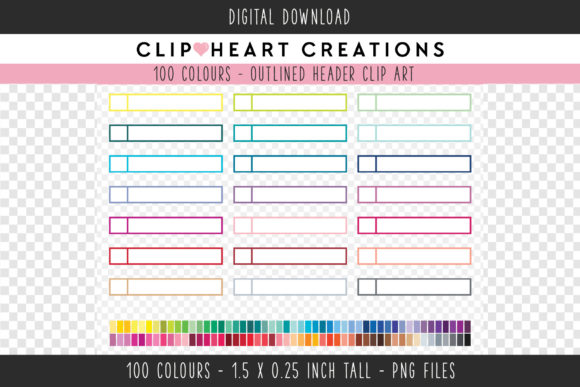
At its core, an outlined to-do box header is a graphical container designed to hold a title or a category label, accompanied by a checkbox or a space for one. However, describing it merely as a "box" undermines its psychological and functional impact. These elements act as visual cues that signal the brain to switch into "action mode." When a task is neatly categorized under a clearly defined header, it reduces cognitive load, making large projects feel manageable.
The specific design of an outlined header is crucial. Unlike solid blocks of color which can dominate a page, an outline provides structure without clutter. This minimalist approach aligns perfectly with modern aesthetic trends that favor clean lines and white space. It allows the user's handwriting or printed text to take center stage while providing just enough boundary to keep thoughts organized.
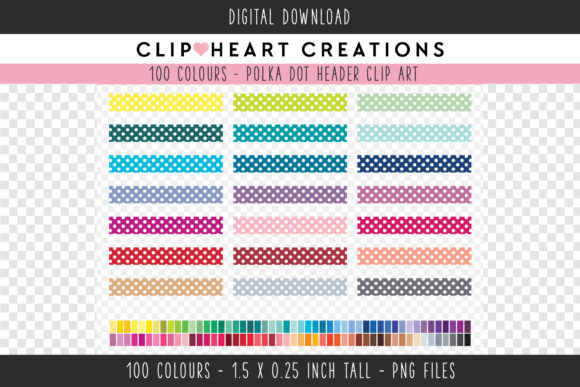
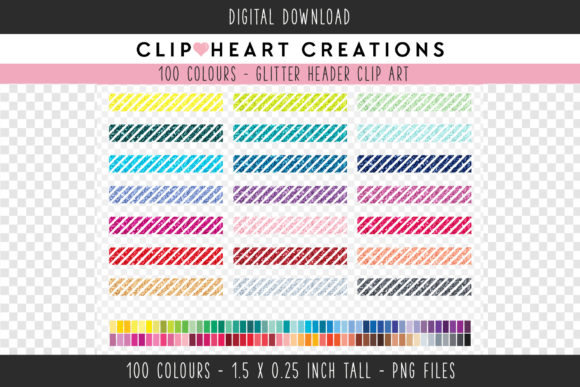
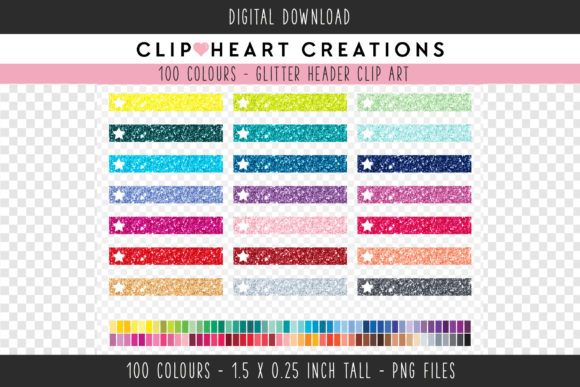
When utilizing a collection that offers 100 individual clip art elements, the possibilities for customization become nearly endless. This level of variety ensures that no two days, weeks, or projects need to look the same, keeping the planning process fresh and engaging rather than monotonous.
Why Color Matters in Productivity
One might ask, "Why do I need 100 colors? Isn't black ink sufficient?" The answer lies in the psychology of color coding. In complex planning systems, color is not just decorative; it is informational. A red header might signify urgent deadlines, while a soft blue could indicate self-care activities. Green might be reserved for financial goals, and yellow for creative brainstorming.
Having access to a spectrum of 100 colors allows for granular categorization that standard stationery simply cannot match. For instance, a teacher using these headers for lesson planning might assign a unique hue to each subject or student group. A small business owner could use different shades to distinguish between marketing, operations, and sales tasks. This visual differentiation speeds up review processes and helps prioritize tasks at a glance.
Compatibility with Popular Planning Systems
The true value of high-resolution clip art is realized when it integrates seamlessly with existing planning ecosystems. The market is flooded with specialized planners, each with unique dimensions and layouts. Fortunately, versatile outlined to-do box headers are designed to complement the most popular brands:
- Erin Condren: Known for its vertical and horizontal layouts, Erin Condren planners benefit greatly from narrow, high-impact headers that fit within column constraints.
- Kikki.K: With its focus on modular A5 and personal sizes, Kikki.K users often need scalable graphics that maintain clarity when resized.
- Happy Planner: The classic disc-bound system relies on aesthetic cohesion. Colored headers add a pop of personality that matches the vibrant themes often found in Happy Planner inserts.
- Bullet Journal: Perhaps the most flexible system of all, the Bullet Journal methodology thrives on rapid logging. Pre-made headers save time, allowing journalers to focus on content rather than drawing perfect boxes every day.
By using digital files saved separately in high resolution (300 dpi), users ensure that whether they are printing at home on sticker paper or sending files to a professional print shop, the output remains crisp and professional. There is nothing more frustrating than pixelated edges ruining a beautifully organized page; 300 dpi guarantees print-ready quality.
Beyond the Planner: Creative Applications
While planners are the primary use case, limiting these assets to daily agendas would be a mistake. The utility of outlined to-do box headers extends into various creative and professional domains. Because these files typically come in PNG format with transparent backgrounds, they can be layered over any background color or image without unsightly white boxes surrounding them.
Consider the following alternative applications:
- Web Graphics: Bloggers and website designers can use these headers to create downloadable checklists for their audiences. They serve as excellent visual breaks in long-form articles or as call-to-action buttons.
- Invitations and Event Planning: Organizing a wedding or a corporate retreat involves massive checklists. Using colored headers on shared documents or printed itineraries helps guests and vendors quickly identify relevant information.
- Transfers and Stickers: Crafters often use heat transfer vinyl or printable sticker paper to create custom supplies. Having a zip folder containing 100 pre-colored options eliminates the need to manually color each element digitally, saving hours of design time.
- Educational Materials: Teachers can incorporate these into worksheets, behavior charts, or project rubrics to make learning materials more engaging for students.
Technical Specifications and Ease of Use
For those who may not be tech-savvy, the technical aspects of digital clip art can sometimes seem daunting. However, modern collections are designed with user-friendliness in mind. A typical premium collection includes files that are 1.5 x 0.25 inches in dimension. While this seems small, it is the ideal size for header labels. Because they are vector-based or high-resolution raster images, they can be scaled up or down in software like Microsoft Word, Google Docs, Canva, or Adobe Illustrator without losing quality.
All files being compressed into one zip folder simplifies organization. Instead of downloading hundreds of individual files from a website, the user receives a single package. Once unzipped, the files are ready to drag and drop. Furthermore, a critical feature of reputable collections is that any watermarks are removed. Watermarks can distract from the final product and look unprofessional in published materials. Clean, watermark-free files ensure that your creations look polished and proprietary.
Common Misunderstandings About Digital Clip Art
A common assumption among beginners is that digital clip art requires expensive software to use. This is rarely the case. Most outlined to-do box headers can be utilized in free or commonly available programs. Another misconception is that "outlined" means "hard to see." On the contrary, the contrast provided by a bold outline against a white page often enhances readability compared to faint gray lines found in pre-printed planners.
Additionally, some users worry about copyright issues. When purchasing or downloading from reputable creators, these files are usually licensed for both personal and commercial use, allowing crafters to even sell their finished planner stickers or printed inserts, provided they adhere to the specific license terms.
Building a Broader Understanding of Visual Organization
Ultimately, the adoption of outlined to-do box headers is about more than just aesthetics; it is about building a sustainable system for managing life. In a world that often feels chaotic, creating order through visual structures provides a sense of control. The ability to choose from 100 colors empowers the user to tailor their environment to their specific mental models and workflow preferences.
Whether you are tracking habits, managing a business, planning a family vacation, or designing a website, these small graphic elements play a pivotal role. They bridge the gap between abstract ideas and actionable steps. By integrating high-quality, versatile, and colorful headers into your routine, you transform the mundane act of list-making into a creative and efficient ritual.
As you explore the potential of these tools, remember that the best planning system is the one you actually enjoy using. The vibrancy of a well-chosen color and the clarity of a perfectly outlined box can be the difference between abandoning a goal and achieving it. Embrace the flexibility of digital clip art, experiment with the vast palette available, and watch how your productivity—and your creativity—flourishes.